

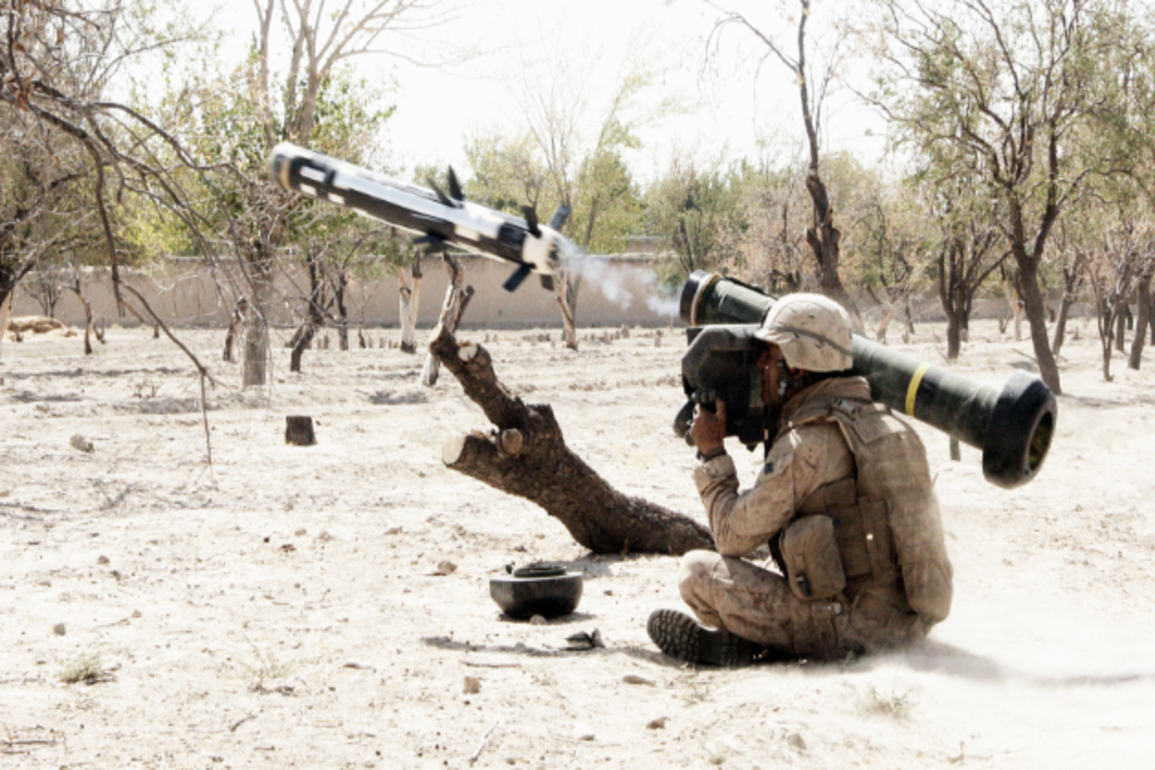
DUBLIN, Ireland: Ireland has moved a step closer to strengthening its peacekeeping capabilities after the U.S. State Department approved a potential $46 million sale of Javelin anti-armor systems to Dublin.
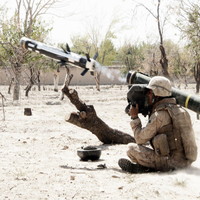
The proposed deal, announced last week by the Defense Security Cooperation Agency (DSCA), covers 36 Lightweight Command Launch Units, associated equipment, and training. These launchers will complement Ireland's earlier order for 44 Javelin missiles.
"This proposed sale will support the foreign policy and national security of the United States by improving the security and capabilities of Ireland to support its participation in peacekeeping missions with the United Nations and NATO's Partnership for Peace program," the DSCA said in its notification. The Irish Defence Forces did not immediately comment on the announcement.
Although Ireland maintains a long-standing policy of military neutrality and is not a NATO member, it participates in NATO's Partnership for Peace — a cooperative program aimed at enhancing stability and strengthening security relationships across Europe. According to Ireland's Ministry of Defence, the partnership has primarily focused on ensuring interoperability between Irish forces and international counterparts, aiding Irish participation in UN and EU missions abroad.
Currently, Irish Defence Forces are deployed in various missions across Africa, Europe, and the Middle East, with duties ranging from arms embargo enforcement in Libya to peacekeeping operations under the United Nations Interim Force in Lebanon (UNIFIL).
Ireland already possesses an inventory of around 100 Javelin weapons, used selectively depending on threat assessments during peacekeeping deployments, the Irish Times reports. In preparation for its UNIFIL mission in 2023, the 123rd Infantry Battalion conducted mission readiness exercises that included simulated explosive strikes, personnel evacuation drills, and firing of Javelin systems.
Despite enhancing its defense readiness, Ireland continues to maintain its neutral stance. The country opted not to supply Javelins to Ukraine, instead providing only non-lethal support. In March, Dublin announced a 100 million euro non-lethal aid package for Ukraine, including 20 million euros for de-mining and IT capabilities and 80 million euros toward radar systems and anti-drone equipment through EU procurement partnerships.