


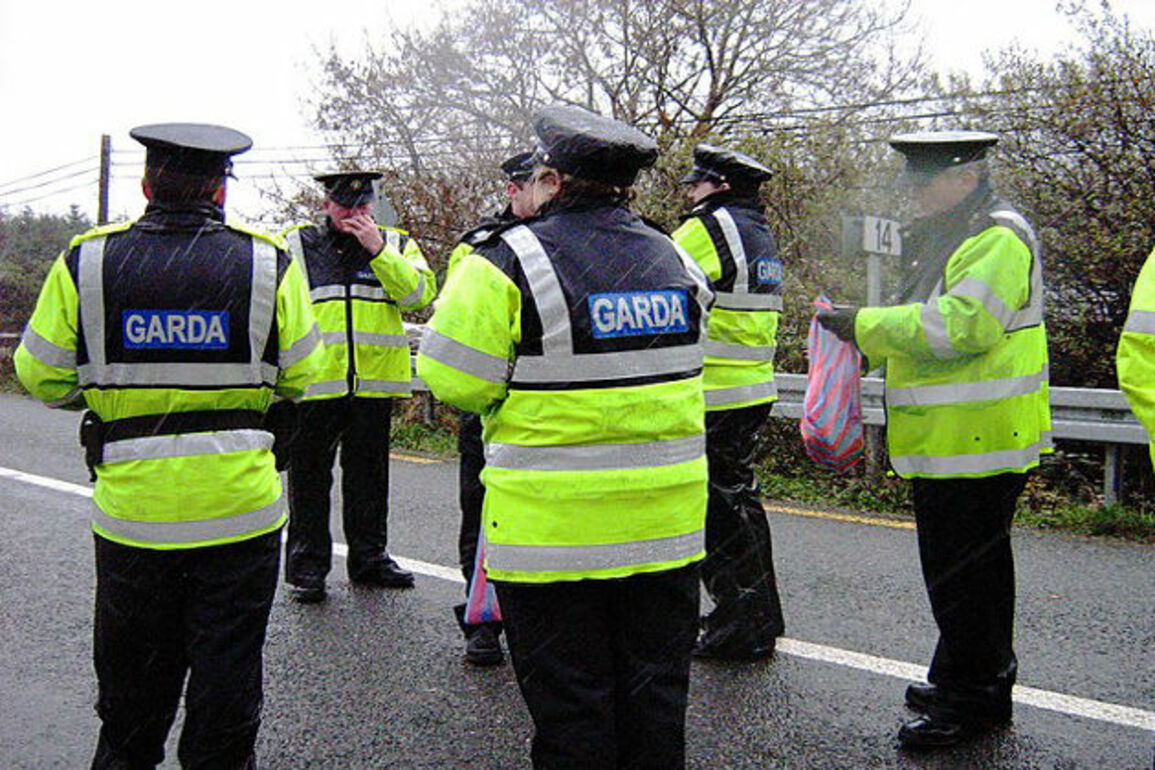
DUBLIN, Ireland: The Garda Commissioner has successfully overturned lower court rulings in a high-profile case concerning the attempted dismissal of a garda involved in sexual misconduct while on duty.
In a 4-1 decision this week, the Supreme Court ruled in the Commissioner's favor, rejecting Garda Raymond Hegarty's legal challenge.
Garda Hegarty, based at Lismore Garda Station, admitted to engaging in a sexual act with a woman who had come to the station in March 2017 to state her sister's arrest. He also failed to take the woman's statement. Following an internal disciplinary process, a recommendation was made that he be required to retire or resign due to the misconduct, with a separate penalty of a two-week pay reduction for failing to record her statement.
However, in 2020, an Appeal Board revised the initial recommendation, finding the resignation penalty too severe. Instead, they imposed a four-week pay reduction for the sexual misconduct, and upheld the two-week pay cut for the statement issue.
Despite this outcome, the Garda Commissioner proceeded under Section 14.2 of the Garda Síochána Act 2005 to suspend Hegarty pending his resignation or dismissal. Hegarty challenged this move in court, arguing it contradicted the disciplinary process's conclusion and amounted to punishment twice for the same offense.
Both the High Court and the Court of Appeal had sided with Hegarty, deeming the Commissioner's actions unlawful. But the Supreme Court has now overturned those decisions, siding with the Commissioner.
Writing for the majority, Justice Brian Murray stated that there was nothing unconstitutional about the Commissioner invoking a separate statutory procedure, even after a disciplinary sanction had been imposed. Section 14.2, he said, allows for dismissal in "wholly exceptional" cases where continued service by a member would seriously erode public confidence in the force.
Justice Murray emphasized that this power is distinct from the disciplinary process and may be applied using different standards and purposes. While both processes aim to preserve public trust, the statutory power under Section 14.2 requires the Commissioner to determine that dismissal is necessary to maintain that confidence, not merely that the conduct was disgraceful or offensive.
However, in a dissenting opinion, Justice Seamus Woulfe warned that invoking dismissal powers for conduct already addressed through the disciplinary process risks violating constitutional fairness. He argued that the Commissioner cannot sidestep or override an Appeal Board's ruling when acting under Section 14.2 if the dismissal relates to the same behavior already sanctioned.
"In my opinion, the alternative interpretation urged by the Commissioner casts a dark shadow of unfairness over the disciplinary code and is not consistent with constitutional justice," Woulfe wrote.
The ruling reasserts the Commissioner's authority to act independently of internal disciplinary outcomes in exceptional cases that threaten public trust in An Garda Síochána.